-
- APC Back UPS
- APC EASY UPS
- APC Modular UPS
- APC Smart SMC UPS
- APC Smart SMT UPS
- APC Smart SURT UPS
- APC SPM UPS
- APC Symmetra Power Module
- APC SYMMETRA LX
- APC Symmetra PX
- Eaton 5P UPS
- Eaton 5PX G2 UPS
- Eaton 93PR UPS
- Eaton 9PX Li-Ion UPS
- Eaton 9PX UPS
- Eaton 9SX Tower UPS
- Eaton DX RT UPS
- Eaton DX UPS
- Eaton Ellipse ECO UPS
- Eaton Marine UPS
- Eaton Power Module
- SANTAK UPS
- Schneider Galaxy 3L / EASY 3L UPS
- Schneider Galaxy VS UPS
- Schneider Galaxy VL UPS
- Vertiv UPS



Modular UPS technology

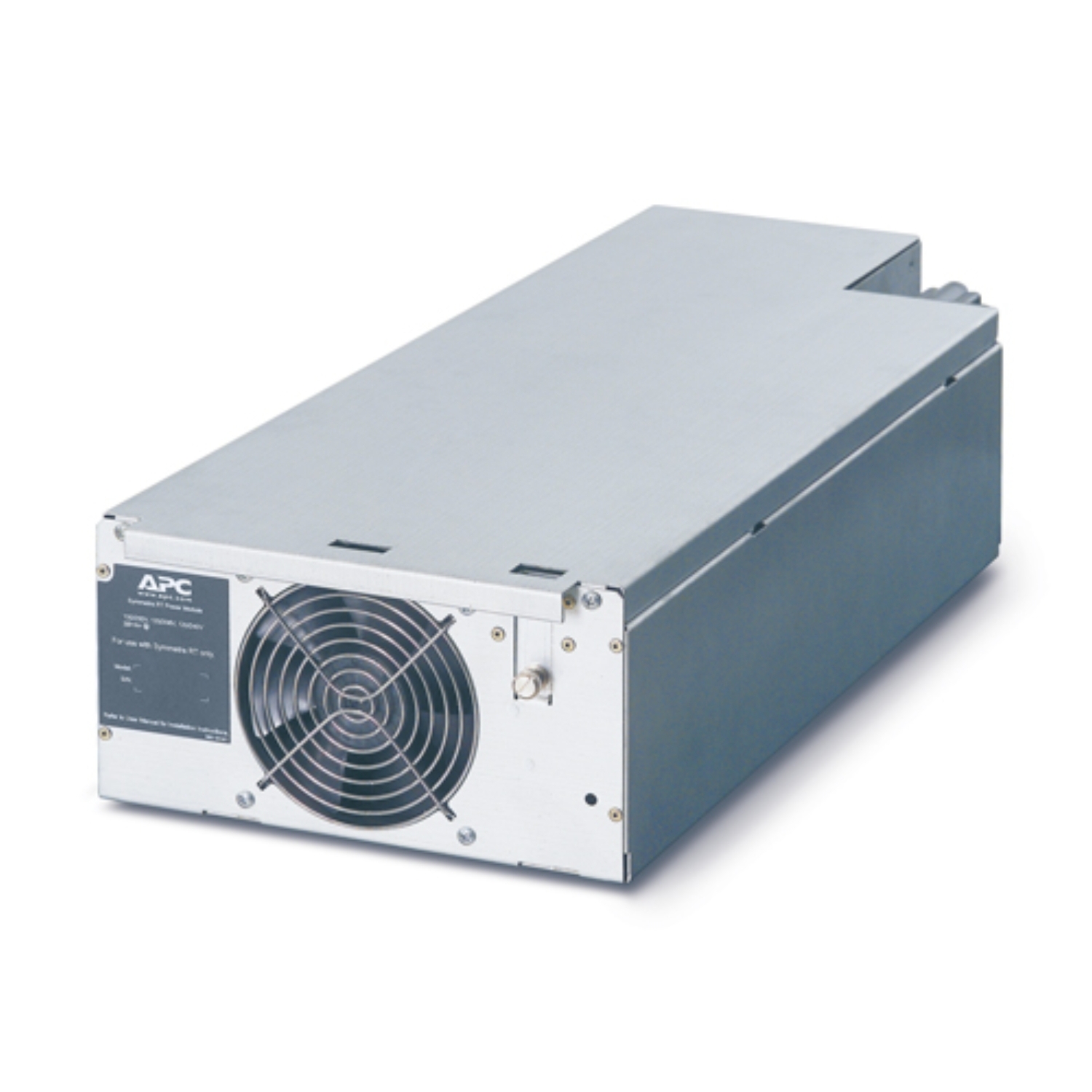
1. It is necessary to eliminate common flaws in the system solution for modular UPS systems, so that the system operation is bottleneck free. For example, advanced slack control technology can be used in the circulation problem of parallel modules, so that the UPS system is not bound by the reliability of convergence control and prevents the occurrence of bottleneck defects.
2. When multiple modules are connected in parallel, the most important policy is to evenly distribute the current. This means that assuming N UPS modules are connected in parallel, it is necessary to ensure that the output current of each modular UPS is 1N of the total output current, and at least the maximum imbalance between them must be within the required scale.
3. Energy conservation and consumption reduction are the biggest problems currently faced by data centers. In addition to availability, it is necessary for the UPS system that ensures power supply in data centers to be efficient, pollution-free, and low-energy consuming.
4. UPS is fully modular. Each modular UPS is intelligent and independent, and any defects in one module will not affect the normal operation of other modules. It can exit the system on its own without affecting the overall system operation.
5. All UPS modules in the system share the same battery pack. Use a set of batteries or parallel multiple sets of batteries to increase system backup time.