-
- APC Back UPS
- APC EASY UPS
- APC Modular UPS
- APC Smart SMC UPS
- APC Smart SMT UPS
- APC Smart SURT UPS
- APC SPM UPS
- APC Symmetra Power Module
- APC SYMMETRA LX
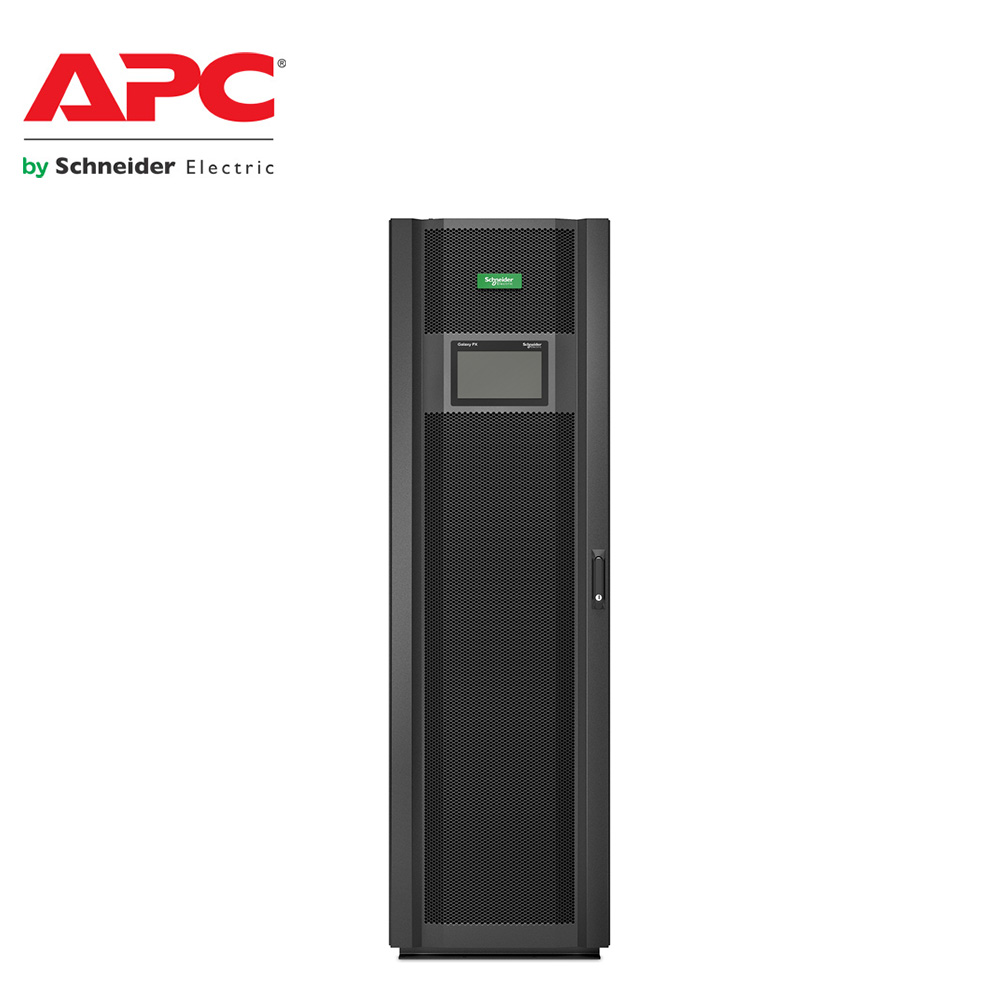
- APC Symmetra PX
- Eaton 5P UPS
- Eaton 5PX G2 UPS
- Eaton 93PR UPS
- Eaton 9PX Li-Ion UPS
- Eaton 9PX UPS
- Eaton 9SX Tower UPS
- Eaton DX RT UPS
- Eaton DX UPS
- Eaton Ellipse ECO UPS
- Eaton Marine UPS
- Eaton Power Module
- SANTAK UPS
- Schneider Galaxy 3L / EASY 3L UPS
- Schneider Galaxy VS UPS
- Schneider Galaxy VL UPS
- Vertiv UPS


How to Choose an Uninterruptible Power Supply ( Part 1)

The digital transformation boom is forcing more and more companies to migrate their business processes to cloud-based virtual environments. As a result, an increasing number of data centers are under construction, capable of providing cloud services while also meeting the specific needs of individual organizations. The number of data center incidents is also rising. Three main reasons behind this include long-standing power issues.
According to Uptime Institute’s 2020 annual outage analysis, the most common causes of data center outages in 2019 were IT services (31%), data networks (30%), and power (15%). While data center functionality can be quickly restored in the first two cases, power system failures can lead to unpredictable consequences.
On March 9, 2021, a fire engulfed the OVH data center in Strasbourg. Over a hundred firefighters battled the blaze throughout the night, achieving varying degrees of success. The incident rendered 3.6 million web servers inaccessible, including government websites in France, the UK, Poland, and Côte d’Ivoire. This is comparable to the damage caused by major cyber threats such as ransomware.
In a short video, OVH founder Octave Klaba revealed that the fire was caused by an uninterruptible power supply (UPS) that had been in service the previous day. Firefighters used thermal imaging to survey the scene, confirming this information.
To date, no one has committed to assessing the losses suffered by OVH, but of course, it’s not just a matter of money, as reputational damage is equally important.
It is essential to minimize the possibility of serious data center failures caused by power systems. This requires assessing current and future backup power needs, carefully considering UPS selection and location, and other necessary steps. Let’s look at some areas that require special attention.
Double conversion
Local power providers are not always able to supply the required voltage and frequency power to data centers. These properties can fluctuate within a fairly wide range. Fluctuations in these parameters can lead to disaster. Therefore, a good modern UPS must be able to handle input parameters with a wide range of voltage and frequency while providing reliable protection for its loads.
Double-conversion systems ensure that the output will perfectly match the required parameters regardless of how the input voltage fluctuates. This is achieved by converting the input AC voltage to DC voltage and then converting it back to AC voltage with the ideal output characteristics. These devices are often referred to as online UPSs because they remain permanently connected to the network, act as stabilizers, and can immediately provide autonomous power during power outages.