-
- APC Back UPS
- APC EASY UPS
- APC Modular UPS
- APC Smart SMC UPS
- APC Smart SMT UPS
- APC Smart SURT UPS
- APC SPM UPS
- APC Symmetra Power Module
- APC SYMMETRA LX
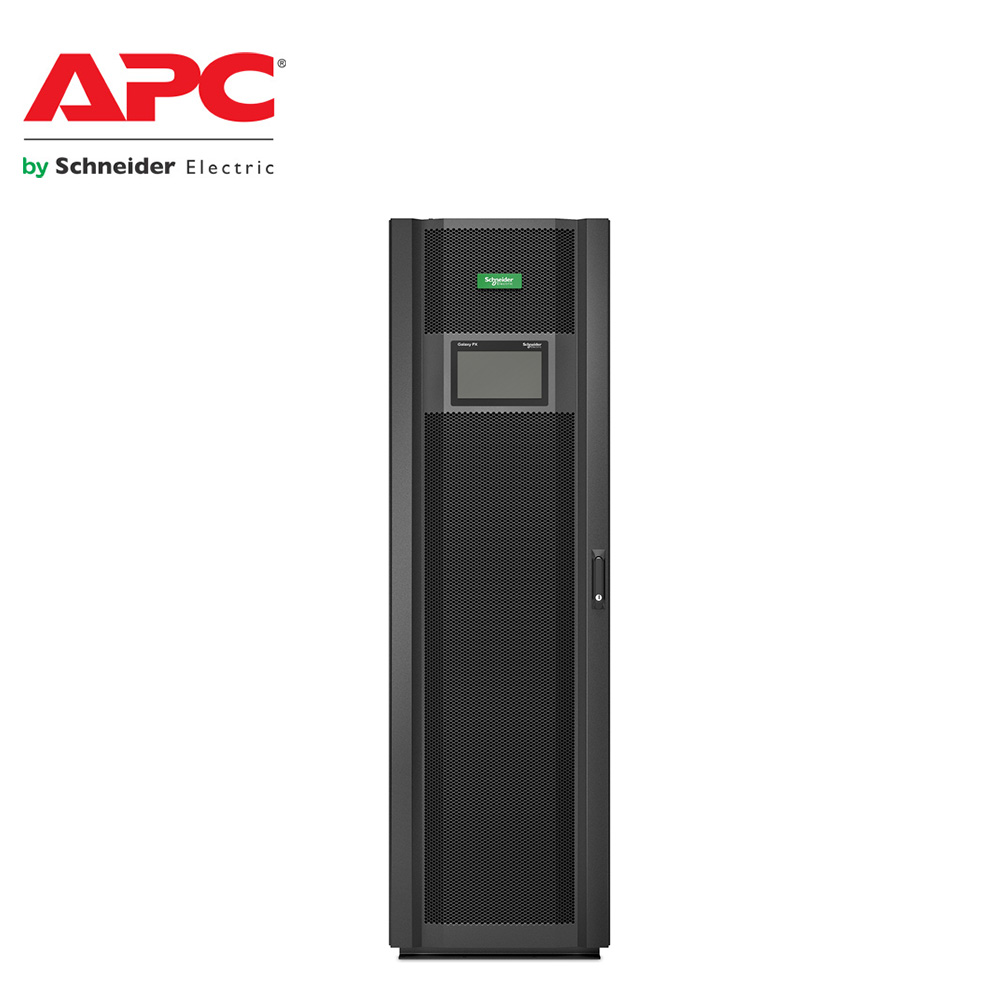
- APC Symmetra PX
- Eaton 5P UPS
- Eaton 5PX G2 UPS
- Eaton 93PR UPS
- Eaton 9PX Li-Ion UPS
- Eaton 9PX UPS
- Eaton 9SX Tower UPS
- Eaton DX RT UPS
- Eaton DX UPS
- Eaton Ellipse ECO UPS
- Eaton Marine UPS
- Eaton Power Module
- SANTAK UPS
- Schneider Galaxy 3L / EASY 3L UPS
- Schneider Galaxy VS UPS
- Schneider Galaxy VL UPS
- Vertiv UPS


How to Choose an Uninterruptible Power Supply ( Part 3)

Types of rechargeable batteries
VRLA (valve-regulated lead-acid) batteries have long been the most widely used type of rechargeable battery in data center backup systems. These are sealed valve-regulated lead-acid batteries filled with liquid or gel electrolyte. Any modern UPS supports these devices, although technically they are becoming obsolete. Customers often choose VRLA because of its low cost and high adoption rate. However, operational costs often lie behind the scenes. In the case of VRLA, the cost is quite high due to the short battery life and the need for regular maintenance and testing.
The second type of battery increasingly used in data centers is the lithium-ion battery. They are significantly more expensive than lead-acid batteries, but their properties completely make up for it. VRLA energy density is 15–50 W/kg, while lithium-ion is 70–260 W/kg. In other words, lithium-ion batteries are 4–5 times lighter than lead-acid batteries of equivalent capacity. This kind of arithmetic often comes into play when designing data centers, as you must consider the maximum load on the building’s floors.
Furthermore, lithium-ion batteries can withstand 2 to 3 times more charge cycles (1000 cycles vs. 200 to 400 cycles) and last for 10 to 15 years, three times longer than lead-acid batteries. Even if your data center backup power system initially uses VRLA batteries to save money, you can consider switching to a more advanced solution before your next battery replacement cycle. Purchasing a UPS compatible with both lead and lithium-ion batteries can minimize transition costs.
Finally, I should mention supercapacitors, which are also increasingly being used in data center UPS systems. They typically provide self-loading time of less than a minute, but this may be sufficient to switch the data center to a backup power line or start a diesel generator.
Supercapacitors can last up to 20 years. They require no maintenance, are fireproof, and can be charged in 1 to 2 minutes. Furthermore, they remain fully operational within a temperature range of -40 to +65 °C, expanding their applications to tasks that other types of energy storage cannot handle. Sadly, there are not many UPS systems that can work with supercapacitors.
in conclusion
Therefore, let me list the characteristics of a high-quality UPS: it should operate using double-conversion voltage, have over 95% capacity, and be able to use different types of batteries in case of future upgrades. Furthermore, a modular design and the ability to replace and add individual modules without interrupting loads are very important. Finally, when choosing, it is always worthwhile to consider the manufacturer’s reputation. After all, even a cheap nameplate can be very expensive.