-
- APC Back UPS
- APC EASY UPS
- APC Modular UPS
- APC Smart SMC UPS
- APC Smart SMT UPS
- APC Smart SURT UPS
- APC SPM UPS
- APC Symmetra Power Module
- APC SYMMETRA LX
- APC Symmetra PX
- Eaton 5P UPS
- Eaton 5PX G2 UPS
- Eaton 93PR UPS
- Eaton 9PX Li-Ion UPS
- Eaton 9PX UPS
- Eaton 9SX Tower UPS
- Eaton DX RT UPS
- Eaton DX UPS
- Eaton Ellipse ECO UPS
- Eaton Marine UPS
- Eaton Power Module
- SANTAK UPS
- Schneider Galaxy 3L / EASY 3L UPS
- Schneider Galaxy VS UPS
- Schneider Galaxy VL UPS
- Vertiv UPS


A Comprehensive Guide to UPS Uninterruptible Power Supply ( Part 3)

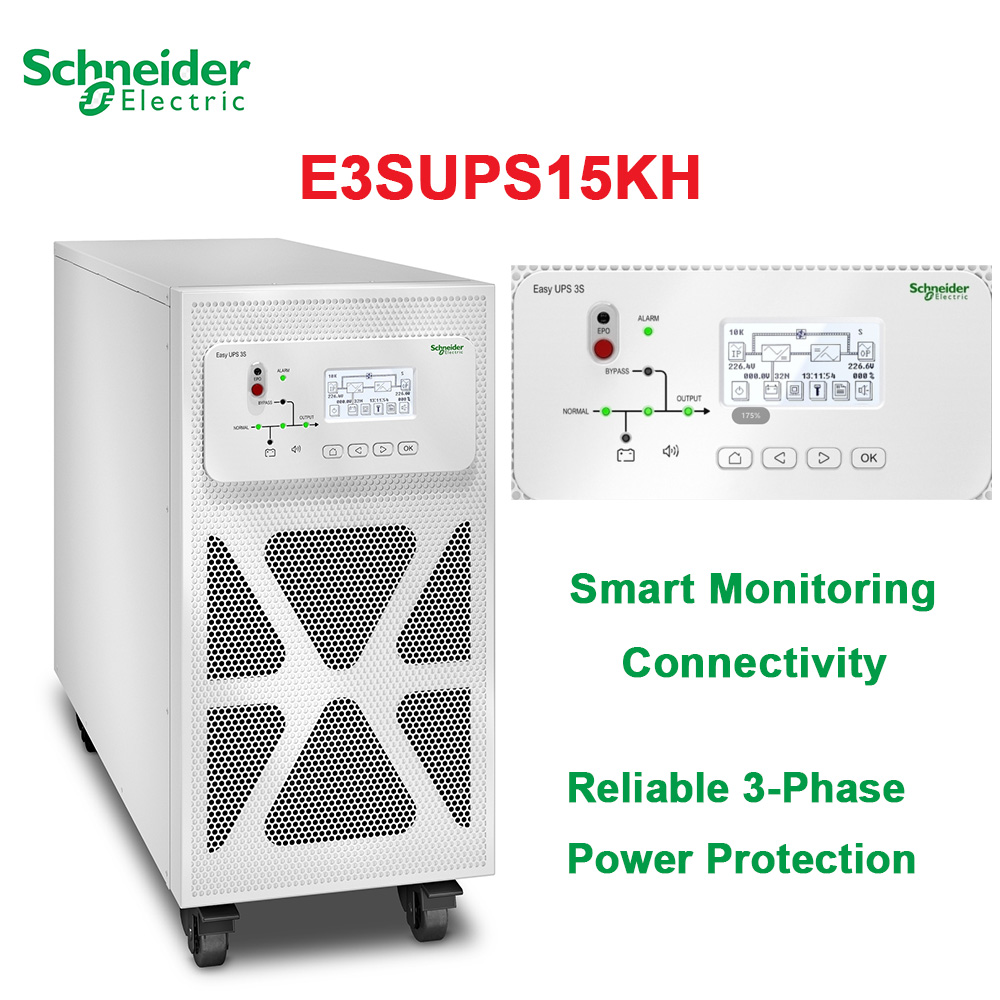
(1) Rectifier: As the front-end power conversion module of the UPS power supply, its core function is to convert the AC power input from the municipal power supply into DC power. On the one hand, it provides working power for the internal control system, heat dissipation system and detection system of the equipment, and on the other hand, it provides a stable charging power for the energy storage battery pack, ensuring that the battery pack is always fully charged and ready to go. The conversion efficiency and voltage regulation accuracy of the rectifier directly determine the mains power adaptability and battery charging stability of the UPS power supply. The technical difference between high-frequency rectification and power frequency rectification is also one of the core indicators for distinguishing between high-end and low-end UPS equipment.
(2) Inverter: This is the core power output module of the UPS power supply and the core component for achieving uninterrupted power supply. When the mains power is normal, the inverter converts the rectified DC power into high-precision, constant-voltage, and constant-frequency AC power to supply power to the downstream load equipment. When the mains power is interrupted or abnormal, the inverter directly draws DC power stored in the battery pack and quickly converts it into standard AC power for continuous power supply. The output waveform, conversion efficiency, response speed, and load capacity of the inverter directly determine the power supply quality and emergency protection capability of the UPS power supply. A high-quality inverter can effectively eliminate problems such as mains harmonics, voltage fluctuations, and frequency deviations.
(3) Energy Storage Battery Bank: The core of UPS power supply, serving as the energy source for emergency power supply, and is known as the “energy warehouse” of UPS power supply. The mainstream UPS batteries on the market include three main categories: lead-acid batteries, gel batteries, and lithium batteries. Different batteries vary significantly in lifespan, charge/discharge performance, environmental adaptability, and maintenance costs. The capacity of the battery bank directly determines the backup power supply duration of the UPS power supply, making it a key parameter that users need to match during the selection process. Under normal mains power conditions, the battery bank is in a float charging standby state with no discharge loss; in the event of a mains power failure, it instantly starts discharging to provide energy support for the inverter.
(4) Static bypass switch: It is a core component for safety protection of UPS power supply and has millisecond-level intelligent switching capability. When the inverter or rectifier inside the UPS power supply fails, or when the equipment is overloaded, overheated, or under maintenance, the static bypass switch will automatically switch to the mains direct power supply mode, skipping the faulty module, ensuring that the downstream load equipment will not be shut down due to UPS equipment failure, greatly improving the stability and fault tolerance of the entire power supply system. It is a standard core component of industrial-grade and computer room-grade high-power UPS equipment.