-
- APC Back UPS
- APC EASY UPS
- APC Modular UPS
- APC Smart SMC UPS
- APC Smart SMT UPS
- APC Smart SURT UPS
- APC SPM UPS
- APC Symmetra Power Module
- APC SYMMETRA LX
- APC Symmetra PX
- Eaton 5P UPS
- Eaton 5PX G2 UPS
- Eaton 93PR UPS
- Eaton 9PX Li-Ion UPS
- Eaton 9PX UPS
- Eaton 9SX Tower UPS
- Eaton DX RT UPS
- Eaton DX UPS
- Eaton Ellipse ECO UPS
- Eaton Marine UPS
- Eaton Power Module
- SANTAK UPS
- Schneider Galaxy 3L / EASY 3L UPS
- Schneider Galaxy VS UPS
- Schneider Galaxy VL UPS
- Vertiv UPS



A Comprehensive Guide to UPS Uninterruptible Power Supply ( Part 20)

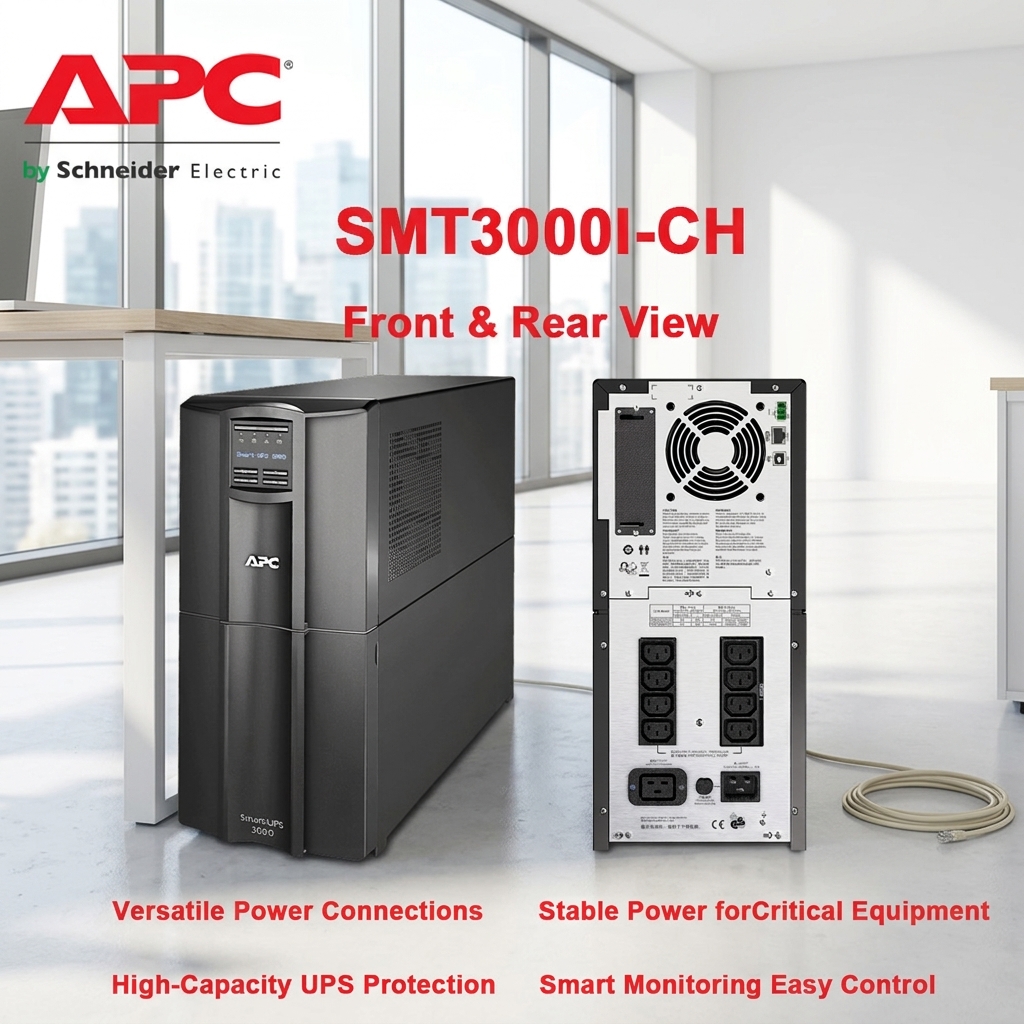
(3) Equipment placement requirements: Tower equipment should be placed on the ground in a stable and secure manner to avoid tilting or shaking; rack-mounted equipment should be firmly fixed inside the cabinet to prevent shock and loosening; modular equipment should be assembled strictly in the installation sequence, with modules properly connected and in good contact; integrated cabinet equipment should be leveled and stabilized, and waterproof and dustproof protection should be provided.
(4) Commissioning and acceptance specifications: After installation, mains power switching test, battery discharge test, overload test and fault simulation test are required to confirm that the equipment switching is normal, the parameters are accurate and the protection function is effective; after commissioning, record the equipment operating parameters, establish equipment operation and maintenance files, and complete acceptance and delivery.
7.2 Standardized Operation and Maintenance Guidelines for UPS Power Supplies
(1) Daily inspection and maintenance: Check the equipment operating status, indicator light status, and screen parameters daily to confirm that there are no alarms or faults, the voltage and current are normal, and the load rate is reasonable; clean the dust on the equipment surface and the heat dissipation duct every week to ensure smooth heat dissipation; check the battery pack status and the tightness of the wiring terminals every month to check for aging, loosening, and bulging problems.
(2) Regular discharge maintenance: In scenarios where the mains power is stable for a long time, perform an artificial discharge test every 3-6 months to release the battery’s virtual power, activate the battery’s activity, avoid the performance degradation and capacity reduction caused by long-term float charging, and effectively extend the battery’s service life.
(3) Regular parameter calibration: Calibrate the equipment voltage, frequency and voltage regulation parameters every six months to confirm that the equipment power supply accuracy meets the standards; check whether the remote monitoring and alarm functions are normal to ensure that the intelligent operation and maintenance functions are effective and usable.
(4) Seasonal adaptation maintenance: During the high-temperature summer season, focus on checking the heat dissipation system, cleaning the dust in the air duct, and avoiding high-temperature derating; during the low-temperature winter season, check the battery activity and take necessary insulation measures; during the thunderstorm season, check the status of the lightning protection module and perform lightning protection grounding tests.
7.3 Common Fault Phenomena and Professional Troubleshooting Solutions
(1) The mains power is normal but the device battery power alarm is likely due to a mains power input fault, a blown input fuse, or an abnormal mains power detection module. Check the mains power line, fuse, and input interface, and repair the line fault or replace the fuse to solve the problem.