-
- APC Back UPS
- APC EASY UPS
- APC Modular UPS
- APC Smart SMC UPS
- APC Smart SMT UPS
- APC Smart SURT UPS
- APC SPM UPS
- APC Symmetra Power Module
- APC SYMMETRA LX
- APC Symmetra PX
- Eaton 5P UPS
- Eaton 5PX G2 UPS
- Eaton 93PR UPS
- Eaton 9PX Li-Ion UPS
- Eaton 9PX UPS
- Eaton 9SX Tower UPS
- Eaton DX RT UPS
- Eaton DX UPS
- Eaton Ellipse ECO UPS
- Eaton Marine UPS
- Eaton Power Module
- SANTAK UPS
- Schneider Galaxy 3L / EASY 3L UPS
- Schneider Galaxy VS UPS
- Schneider Galaxy VL UPS
- Vertiv UPS


What is the relationship between PDU, UPS, and ATS? ( 1)

Many people get confused about these things when they first come into contact with a server room:
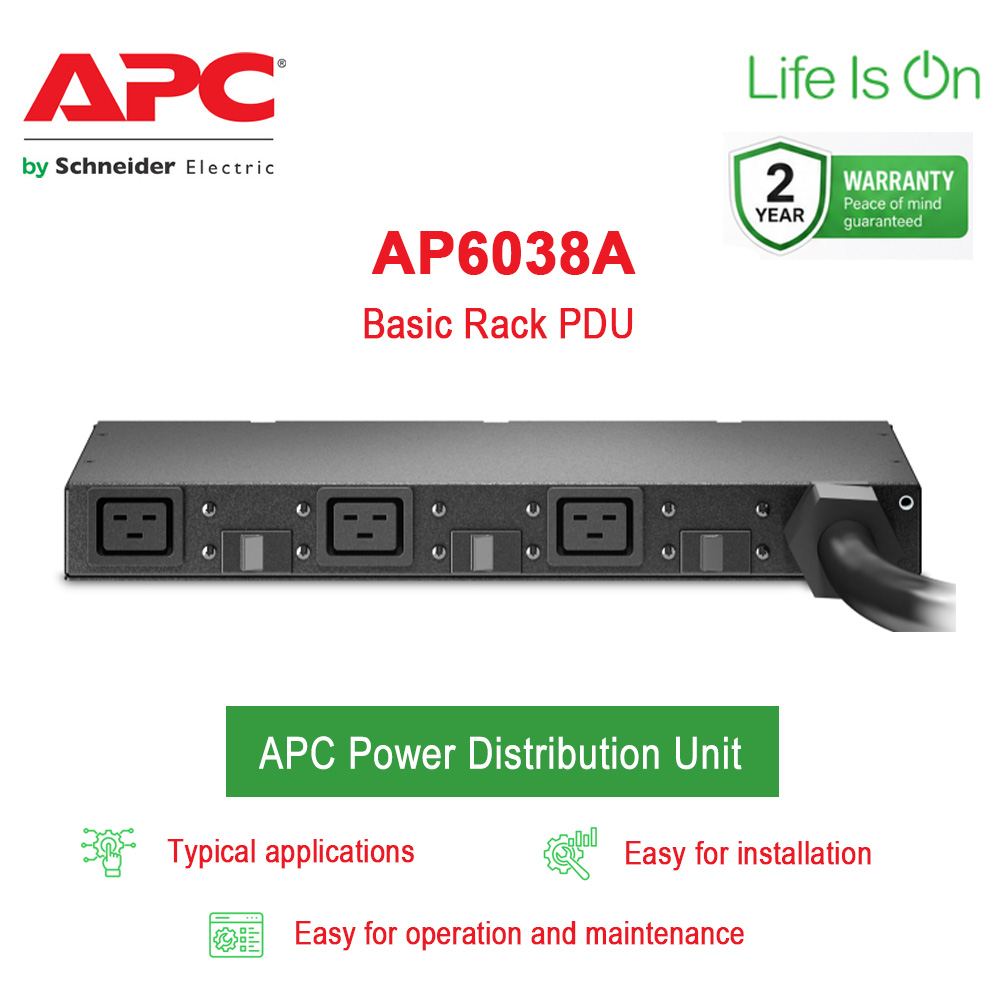
PDU
ups
ATS
Some people even thought:
They are all types of power strips.
However, these three actually belong to completely different levels.
Here’s the most crucial summary:
ATS is responsible for “which power supply to cut off”, UPS is responsible for “uninterrupted power supply”, and PDU is responsible for “who gets the power”.
Once you understand this sentence, you won’t get confused later on.
First, let’s look at the overall picture: How does the power flow in the computer room?
Simplifying the power supply to the computer room, it’s essentially just one power link:
AC power A / AC power B
↓
ATS
↓
ups
↓
PDU
↓
Server/Switch
This is the most typical structure (and the standard practice in most data centers). From top to bottom, the equipment gets closer and closer.
II. ATS: Decides “Which power line to use”
What is it for?
ATS (Automatic Transfer Switch): A device that automatically switches power sources.
Its core function is only one:
When one power supply line malfunctions, it automatically switches to another power supply.
Typical scenarios
Dual-circuit mains power (A/B circuit)
AC power + generator
Two different transformers
working methods
for example:
Path A is normal → Use A
Power outage on circuit A → Automatic switch to circuit B
This process typically takes between milliseconds and seconds.
Key points
ATS does not address the issue of “momentary power outage”.
It simply replaces the power supply without interrupting power (which it cannot do).
III. UPS: Ensuring Uninterrupted Power Supply
What is it for?
UPS ( Uninterruptible Power Supply ): Takes over power supply during a power outage.
The essence is:
Battery + Inverter
core role
Solve two problems:
01 Instantaneous power outage (millisecond level)
ATS switching takes time; the UPS will “fill in” during this period.
02 Short-term power supply
for example:
Power outage for 5 minutes
Power outage for 30 minutes
UPS can support: uninterrupted business operations / timed shutdown.
Key points
UPS acts as a “buffer layer”.
It doesn’t handle selecting the power source; its only responsibility is to “connect” the power.
IV. PDU: Distributing Electricity
What is it for?
PDU (Power Distribution Unit): Power distribution equipment in a server rack.
You can think of it as: a professional-grade power strip (but more than just a power strip).
effect
Distribute the UPS power to:
server
switch
storage
Common features (more advanced than a power strip)
Overload protection
Current monitoring
Remote switch
Group control
Power supply to A/B circuits
Key points
PDUs do not participate in “power supply decisions,” but are only responsible for: power distribution and power management.