-
- APC Back UPS
- APC EASY UPS
- APC Modular UPS
- APC Smart SMC UPS
- APC Smart SMT UPS
- APC Smart SURT UPS
- APC SPM UPS
- APC Symmetra Power Module
- APC SYMMETRA LX
- APC Symmetra PX
- Eaton 5P UPS
- Eaton 5PX G2 UPS
- Eaton 93PR UPS
- Eaton 9PX Li-Ion UPS
- Eaton 9PX UPS
- Eaton 9SX Tower UPS
- Eaton DX RT UPS
- Eaton DX UPS
- Eaton Ellipse ECO UPS
- Eaton Marine UPS
- Eaton Power Module
- SANTAK UPS
- Schneider Galaxy 3L / EASY 3L UPS
- Schneider Galaxy VS UPS
- Schneider Galaxy VL UPS
- Vertiv UPS



What is the relationship between PDU, UPS, and ATS? ( 2)

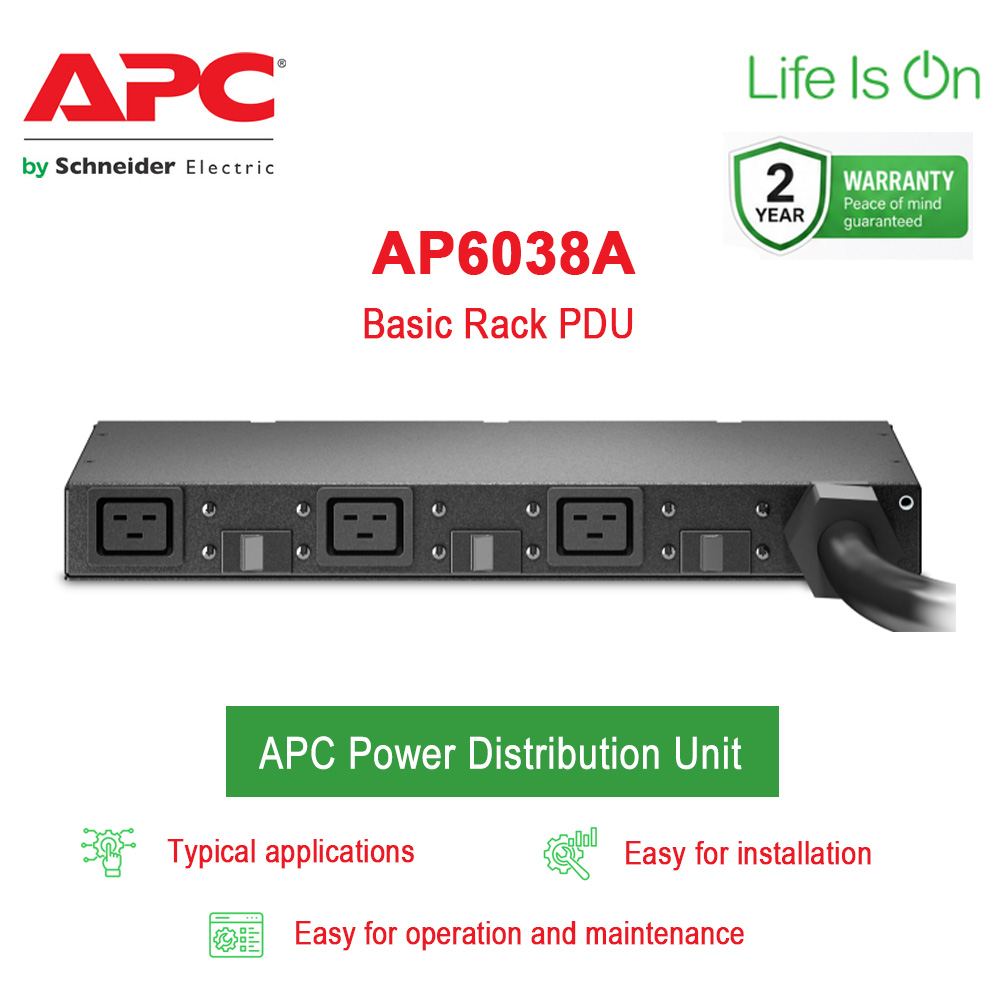
V. The relationship between the three, to put it in a more engineering-oriented way
In terms of “division of responsibilities”:
| equipment | What problem is being solved? |
| ATS | Which power supply is available? |
| ups | Is electricity continuous? |
| PDU | How is electricity distributed? |
VI. A more on-site understanding
You can think of the power supply to the computer room as three layers:
First layer: Power Supply Layer (ATS)
Mains A/B
dynamo
Decide “where the electricity comes from”
Second layer: Power supply protection layer (UPS)
Battery
Inverter
The decision was made to ensure uninterrupted power supply.
Third layer: Equipment Power Supply Unit (PDU)
Rack power distribution
Deciding “who gets the electricity”
These three layers are upstream and downstream relationships, not substitution relationships.
7. Why do servers almost always use dual power supplies?
This is directly related to PDUs / ATS / UPS.
Typical structure:
PDU A → Server Power Supply 1
PDU B → Server Power Supply 2
and:
PDU A from UPS A
PDU B from UPS B
Even so:
One UPS went down.
One PDU malfunction
The server remains powered on. This is called power redundancy .
8. The most common pitfalls in engineering projects
01. Install only UPS, do not provide dual power supply.
→ UPS failure = power outage for the entire server room
02. PDU single-channel power supply
→ Equivalent to no redundancy
03. ATS switching time is too long
→ UPS couldn’t handle it → Equipment restarted
04. Ignore PDU current limit
for example:
16A PDU ≈ 3.5kW, exceeding this will cause direct tripping.
IX. Conclusion
In conclusion, let me use the simplest sentence:
ATS selects the power supply, UPS ensures uninterrupted power supply, and PDU is responsible for power distribution.
If I were to add one more piece of engineering experience:
The questions “Where does electricity come from?” → “Is electricity uninterrupted?” → “How is electricity used?” form a complete closed loop.