




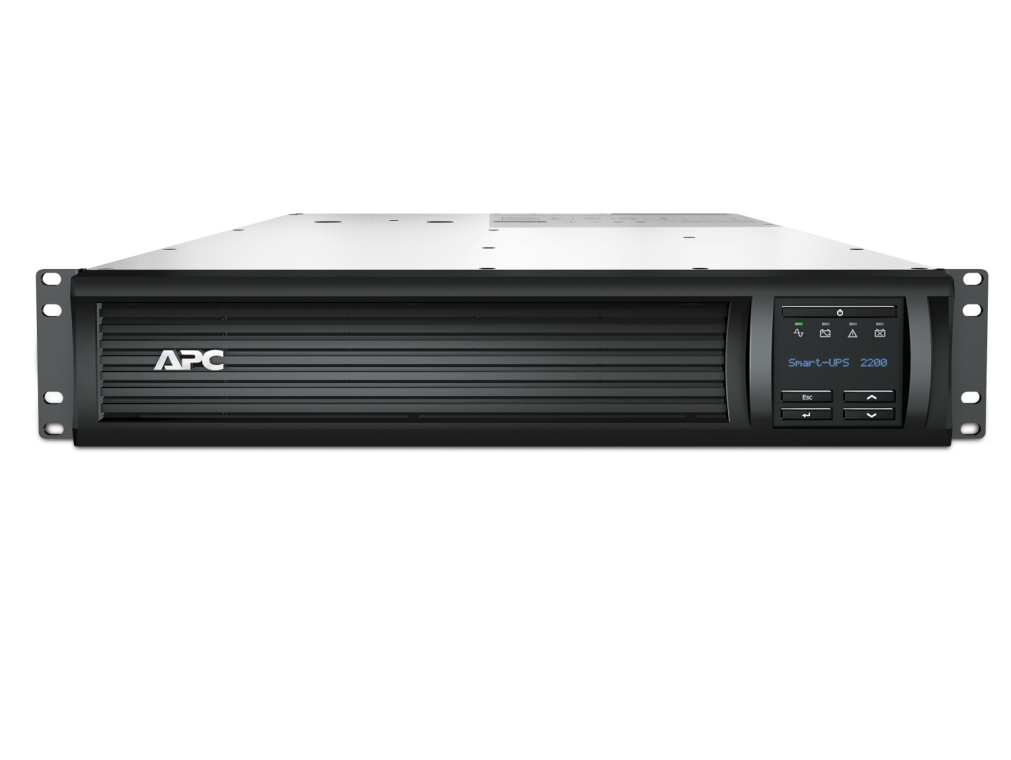
(1) Maintenance conditions: The UPS room should be an air-conditioned room with anti-static flooring, good lightning protection, and should be dustproof, moisture-proof, and sun-proof. The input voltage should be within the design range, and the most reasonable load range is 30%-60%. Full load or overload will affect the lifespan of the UPS. Maintenance should be performed at least once a year. However, in reality, it is difficult to be so thorough, therefore, some basic UPS power supply maintenance knowledge is particularly important.
For example, preventing dust buildup inside the chassis and regularly maintaining the batteries in the power supply are common maintenance tips that can greatly extend the lifespan of the UPS power supply and reduce maintenance hassles.
(2) Maintain a suitable ambient temperature: Ambient temperature is a crucial factor affecting battery life. Battery manufacturers generally recommend an ambient temperature between 20-25°C. While higher temperatures can improve battery discharge capacity, the trade-off is a significantly shortened battery life. Tests have shown that once the ambient temperature exceeds 25°C, for every 10°C increase, the battery life is halved. Failure to meet these environmental requirements results in substantial differences in battery lifespan. Furthermore, increased ambient temperature leads to enhanced chemical activity within the battery, generating a large amount of heat, which in turn raises the surrounding ambient temperature. This vicious cycle further accelerates the shortening of battery life.
(3) Regular charging and discharging: The float charge voltage and discharge voltage of the UPS power supply are set to their rated values at the factory. However, the discharge current increases with the load. During use, the load should be adjusted appropriately, such as controlling the number of microcomputers and other electronic devices in use. Generally, the load should not exceed 60% of the UPS’s rated load. Within this range, the battery discharge current will not be excessively discharged. Because the UPS is constantly connected to the mains power, in environments with high power quality and infrequent mains power outages, the battery will remain in a float charge state for extended periods. Over time, this reduces the activity of the battery’s chemical energy to electrical energy conversion, accelerating aging and shortening its lifespan. Therefore, it should generally be fully discharged every 2-3 months. The discharge time can be determined based on the battery capacity and load size. After a full load discharge, recharge for at least 8 hours as specified.
(4) Communication Function: Most large and medium-sized UPS systems have the capability to communicate with a microcomputer and perform program control. By installing the corresponding software on a microcomputer, connecting the UPS via a serial/parallel port, and running the program, communication between the microcomputer and the UPS can be achieved. Generally, functions include information query, parameter setting, timer setting, automatic shutdown, and alarms. Information queries can obtain data such as mains input voltage, UPS output voltage, load utilization, battery capacity utilization, internal temperature, and mains frequency. Parameter settings allow for configuration of basic UPS characteristics, battery lifespan, and battery depletion alarms. These intelligent operations greatly facilitate the use and management of the UPS power supply and its batteries.