




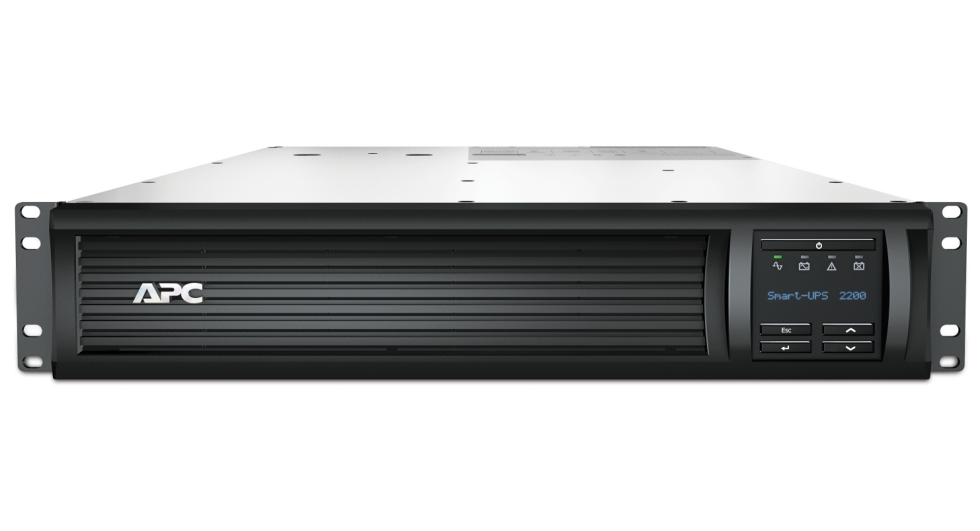
5. Power-on and power-off sequence when using a UPS: The correct power-on and power-off sequence is to first turn on the UPS to supply power, and then turn on each load. This can avoid damage to the UPS caused by the instantaneous current surge during startup. The power-off sequence is the opposite: first turn off each load, and then turn off the UPS. When the mains power is interrupted and the UPS is supplying power, you should save your data and files as soon as possible and then shut down the computer. Otherwise, using the UPS may cause it to over-discharge, thus shortening its lifespan.
6. UPS Power Supply Charging Techniques: After purchasing a new UPS power supply, plug it into a 220V AC mains power grid and charge it for at least 12 hours to ensure the battery is fully charged. Otherwise, the actual usable capacity of the battery will be significantly lower than its nominal capacity. If the UPS power supply is not used for a long period, it should be turned on for 24 hours every 2-3 months to fully charge it, and the UPS power supply should be in inverter operation mode for 2-3 minutes to ensure the normal lifespan of the battery. Once the UPS power supply is connected to the AC mains power, it will begin charging the battery pack. Press and hold the power button for more than 1 second to turn on the inverter.
7. UPS power supplies should not be left idle for extended periods: Over-discharging of batteries and prolonged open-circuit disuse can increase their internal resistance and degrade their charge and discharge performance. For UPS power supplies that have been idle for a long time, allow them to charge using their internal charging circuit for 12 hours before connecting them to a load. For standby UPS power supplies, run them in inverter mode for 2-3 minutes every month to activate the batteries. Furthermore, the battery charging current must be strictly controlled and must not exceed the battery’s allowable charging current. Excessive charging current will shorten the battery’s lifespan.
8. Battery Management Techniques Currently, many UPS power supplies use valve-regulated lead-acid (VRLA) batteries, which have been touted as maintenance-free from the outset. This misleadingly suggests that these batteries are both durable and require no maintenance. Under this misconception, many users have essentially neglected maintenance and management after installing the batteries. UPS batteries should undergo equalization charging under the following conditions: Excessive discharge causing the terminal voltage to drop below the battery’s rated voltage. For a small 12V sealed lead-acid battery, the rated discharge voltage is 10.5V; for a 24V battery bank, the discharge termination voltage is 21V; for a 96V battery bank, the rated discharge voltage is 85V. Failure to recharge the battery promptly after discharge; batteries left idle for extended periods; batteries continuously float-charged during mains power outages, discharging nearly half their capacity. To address this situation, Burke has developed an automated battery management software to effectively solve this problem.