-
- APC Back UPS
- APC EASY UPS
- APC Modular UPS
- APC Smart SMC UPS
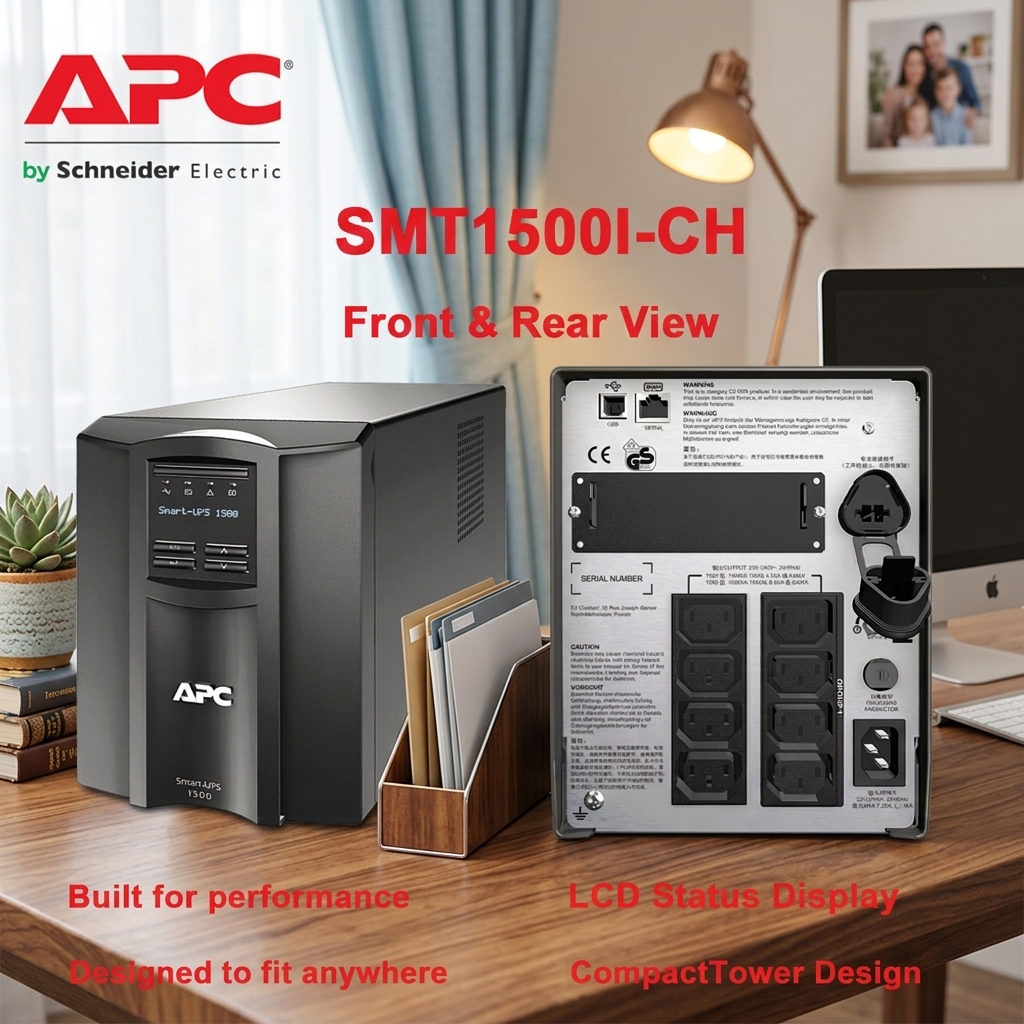
- APC Smart SMT UPS
- APC Smart SURT UPS
- APC SPM UPS
- APC Symmetra Power Module
- APC SYMMETRA LX
- APC Symmetra PX
- Eaton 5P UPS
- Eaton 5PX G2 UPS
- Eaton 93PR UPS
- Eaton 9PX Li-Ion UPS
- Eaton 9PX UPS
- Eaton 9SX Tower UPS
- Eaton DX RT UPS
- Eaton DX UPS
- Eaton Ellipse ECO UPS
- Eaton Marine UPS
- Eaton Power Module
- SANTAK UPS
- Schneider Galaxy 3L / EASY 3L UPS
- Schneider Galaxy VS UPS
- Schneider Galaxy VL UPS
- Vertiv UPS



What is the working principle of a UPS?(Part 2)

03 Requirements for UPS in the Computer Room
1. High reliability. It features a UPS inverter that provides continuous, high-quality output power, preventing situations where ordinary AC mains power is directly supplied to the load via an AC bypass.
2. High anti-interference capability.
3. It has a strong overload capacity.
4. UPS is intelligent.
04 UPS Classification
1. Standby UPS : When the mains power is normal, the mains power supplies the load equipment and float-charges the battery. When the mains voltage fluctuates beyond the specified value, the inverter circuit is activated to convert the DC power from the battery into a stable AC power output to supply power to the load.
2. Online UPS : An online UPS keeps its inverter constantly operational. When the mains power is normal, it first converts the AC mains power to DC power through a rectifier circuit, and then the inverter converts the DC power to sinusoidal AC power to supply power to the load. While supplying power, it also stabilizes the output voltage and prevents electromagnetic interference, and it provides float charging to the battery through a charging circuit. When a power outage occurs, it uses the battery’s DC power. There is no switching time for the inverter, making it suitable for applications with high power requirements.
3. Line-Interactive UPS : A line-interactive UPS operates between a standby UPS and an online UPS. When the mains voltage is within the specified range, it outputs directly to the load device without adjustment, functioning like a standby UPS. When the mains voltage is higher or lower than the normal range, it activates the boost or buck function (using transformer tap switching for non-smooth adjustment) and does not use battery power until the mains voltage falls below the boost range, rises above the buck range, or there is a mains power outage, at which point battery power is used.