-
- APC Back UPS
- APC EASY UPS
- APC Modular UPS
- APC Smart SMC UPS
- APC Smart SMT UPS
- APC Smart SURT UPS
- APC SPM UPS
- APC Symmetra Power Module
- APC SYMMETRA LX
- APC Symmetra PX
- Eaton 5P UPS
- Eaton 5PX G2 UPS
- Eaton 93PR UPS
- Eaton 9PX Li-Ion UPS
- Eaton 9PX UPS
- Eaton 9SX Tower UPS
- Eaton DX RT UPS
- Eaton DX UPS
- Eaton Ellipse ECO UPS
- Eaton Marine UPS
- Eaton Power Module
- SANTAK UPS
- Schneider Galaxy 3L / EASY 3L UPS
- Schneider Galaxy VS UPS
- Schneider Galaxy VL UPS
- Vertiv UPS



Three easily underestimated issues with data center PDUs ( Part 1)

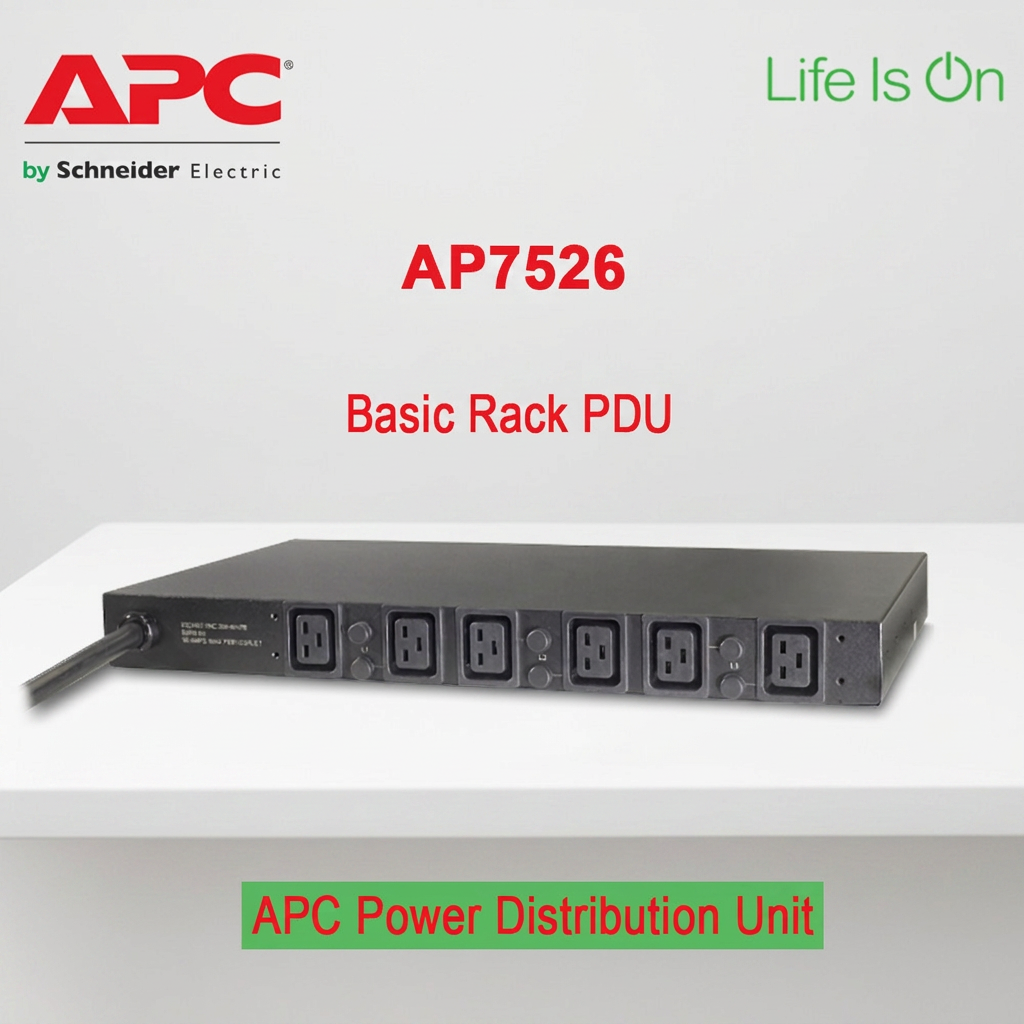
From construction to commissioning, the acceptance of a data center’s PDU (Power Distribution Unit) typically follows a standard process: powering on under no-load conditions – measuring voltage – filling out forms – signing off.
This process is very efficient, but it doesn’t answer one question: When all branches are fully loaded at the same time, can this PDU still operate stably?
The end of the data center power supply chain—from the distribution cabinet to the PDU, and from the PDU to the server power plug—is the most easily overlooked link in the entire chain. The reason is simple: this link is too “small,” so small that it is often just glanced at during the acceptance process. But it is precisely these “small” links that can expose the most fatal problems when under full load.
Question 1: “Hidden heat generation” at connection points
Phenomenon: The PDU operates normally under no-load or light-load conditions. After running under full load for several hours, the temperature of one of the output terminals rises abnormally, and even signs of insulation aging and burnout appear.
Mechanism: The PDU contains numerous electrical connection points—incoming terminals, busbar connections, branch circuit breaker terminals, and built-in contacts in the output sockets. Each connection point has contact resistance . The magnitude of the contact resistance depends on factors such as bolt torque, the degree of oxidation of the contact surface, and spring pressure.
the heat generated by contact resistance is negligible. However, when the current increases from 10A to 100A, the heat generated increases 100 times for the same contact resistance. A terminal with insufficient torque during installation, or a contact with slightly oxidized surface, can rapidly heat up to dangerous levels under full load.
The role of PDU verification loads: Rack-mounted dummy loads are continuously loaded with rated current (typically for more than 30 minutes), and testers use infrared thermal imagers or contact thermocouples to measure the temperature of each connection point. Fude Electronics’ rack-mounted loads support stepped adjustment, enabling smooth loading from low to high. In power testing at a large data center in Inner Mongolia , Fude Electronics’ 12kW rack-mounted dummy load helped the customer verify critical nodes in the power supply chain through prolonged full-load operation