-
- APC Back UPS
- APC EASY UPS
- APC Modular UPS
- APC Smart SMC UPS
- APC Smart SMT UPS
- APC Smart SURT UPS
- APC SPM UPS
- APC Symmetra Power Module
- APC SYMMETRA LX
- APC Symmetra PX
- Eaton 5P UPS
- Eaton 5PX G2 UPS
- Eaton 93PR UPS
- Eaton 9PX Li-Ion UPS
- Eaton 9PX UPS
- Eaton 9SX Tower UPS
- Eaton DX RT UPS
- Eaton DX UPS
- Eaton Ellipse ECO UPS
- Eaton Marine UPS
- Eaton Power Module
- SANTAK UPS
- Schneider Galaxy 3L / EASY 3L UPS
- Schneider Galaxy VS UPS
- Schneider Galaxy VL UPS
- Vertiv UPS



Maintenance and upkeep of UPS power supply (Part 1)

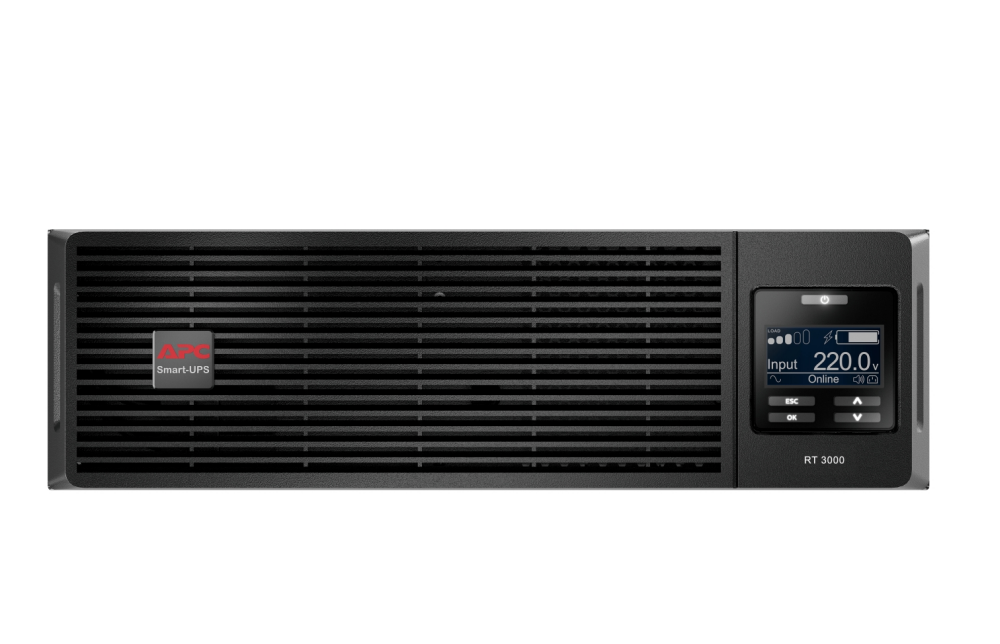
The use of UPS power supply is becoming increasingly widespread. When the mains input is normal, UPS stabilizes the mains voltage and supplies it to the load for use. At this time, UPS is an AC mains voltage stabilizer, and it also charges the internal battery; When the mains power is interrupted (accident power outage), UPS immediately supplies 220V AC power from the internal battery to the load through inverter conversion, so as to maintain normal operation of the load and protect the software and hardware of the load from damage.
The use of UPS power supply must pay attention to daily maintenance and upkeep in order to fully utilize its function and extend its service life. Below is a brief introduction to the maintenance methods of UPS uninterruptible power supply.
1. Pay attention to the environmental requirements for the use of UPS
The environmental requirements of UPS are: the placement must be flat, and the equipment should be placed at a certain distance from the wall for ventilation, moisture removal, and heat dissipation; Protect from direct sunlight, stay away from sources of pollution and heat, maintain indoor hygiene, cleanliness, and normal temperature and humidity.
The important factor affecting the lifespan of batteries is the ambient temperature, and the optimal ambient temperature required by battery manufacturers is generally between 20-25 ℃. Although the increase in temperature improves the discharge capacity of the battery, the cost paid is a significant reduction in the battery’s lifespan.
2. Regular charging and discharging
The floating charge voltage and discharge voltage in UPS power supply have been calibrated to their rated values at the factory, and the magnitude of the discharge current increases with the increase of the load. During use, the load should be adjusted reasonably, such as controlling the number of electronic devices such as microcomputers. The rated power of the equipment determines the size of the load. In order to ensure the service life of the UPS uninterruptible power supply, do not operate it at full load for a long time during use. In general, the load should not exceed 60% of the rated load of the UPS. Within this range, the discharge current of the battery will not experience excessive discharge.
Due to its long-term connection to the mains power supply, UPS batteries will remain in a floating charge state for a long time in environments with high power supply quality and rare mains power outages. Over time, this will lead to a decrease in the activity of the battery’s chemical energy and electrical energy conversion, accelerating aging and shortening its service life. Therefore, it is generally recommended to fully discharge the battery every 2-3 months, and the discharge time can be determined based on the capacity and load size of the battery. After completing a full load discharge, charge for at least 8 hours according to regulations.
3. Lightning protection
Lightning strikes are the natural enemy of all electrical appliances. In general, UPS has good shielding function and needs to be grounded for protection. However, attention should also be paid to lightning protection for power and communication lines.