-
- APC Back UPS
- APC EASY UPS
- APC Modular UPS
- APC Smart SMC UPS
- APC Smart SMT UPS
- APC Smart SURT UPS
- APC SPM UPS
- APC Symmetra Power Module
- APC SYMMETRA LX
- APC Symmetra PX
- Eaton 5P UPS
- Eaton 5PX G2 UPS
- Eaton 93PR UPS
- Eaton 9PX Li-Ion UPS
- Eaton 9PX UPS
- Eaton 9SX Tower UPS
- Eaton DX RT UPS
- Eaton DX UPS
- Eaton Ellipse ECO UPS
- Eaton Marine UPS
- Eaton Power Module
- SANTAK UPS
- Schneider Galaxy 3L / EASY 3L UPS
- Schneider Galaxy VS UPS
- Schneider Galaxy VL UPS
- Vertiv UPS


How to Choose an Uninterruptible Power Supply ( Part 2)

performance
The performance of an uninterruptible power supply (UPS) unit depends on the efficiency of each input-to-output voltage conversion stage (rectifier and inverter). Therefore, only the final figure is considered, which characterizes the difference between the net power of the load and the total power consumed by the UPS together with the load.
For UPS systems in data centers, 97% efficiency is considered excellent. This efficiency is typically achieved with fairly high equipment loads. However, data center UPS systems often operate at 50% load, leading to a significant drop in energy efficiency (up to 85%). Therefore, it is important to utilize technologies to improve efficiency when UPS systems are operating well below their nominal load.
For example, VMMS technology in modular UPS units allows you to increase efficiency by increasing the module load required to support the load and disconnecting unloaded modules. Some models also support an economy mode, achieving efficiency up to 99% when the dual-conversion mode is automatically activated only when necessary. Considering the UPS’s lifespan, this savings make purchasing a device with this feature well worthwhile, even if it’s more expensive than a standard model.
Modular system and hot-swappable functionality
Few customers developing data center projects invest additional computing power to meet anticipated growth. From an economic perspective, this means gradually increasing data center performance as load increases. This also applies to backup power systems, whose functionality must keep pace with the rest of the expansion process.
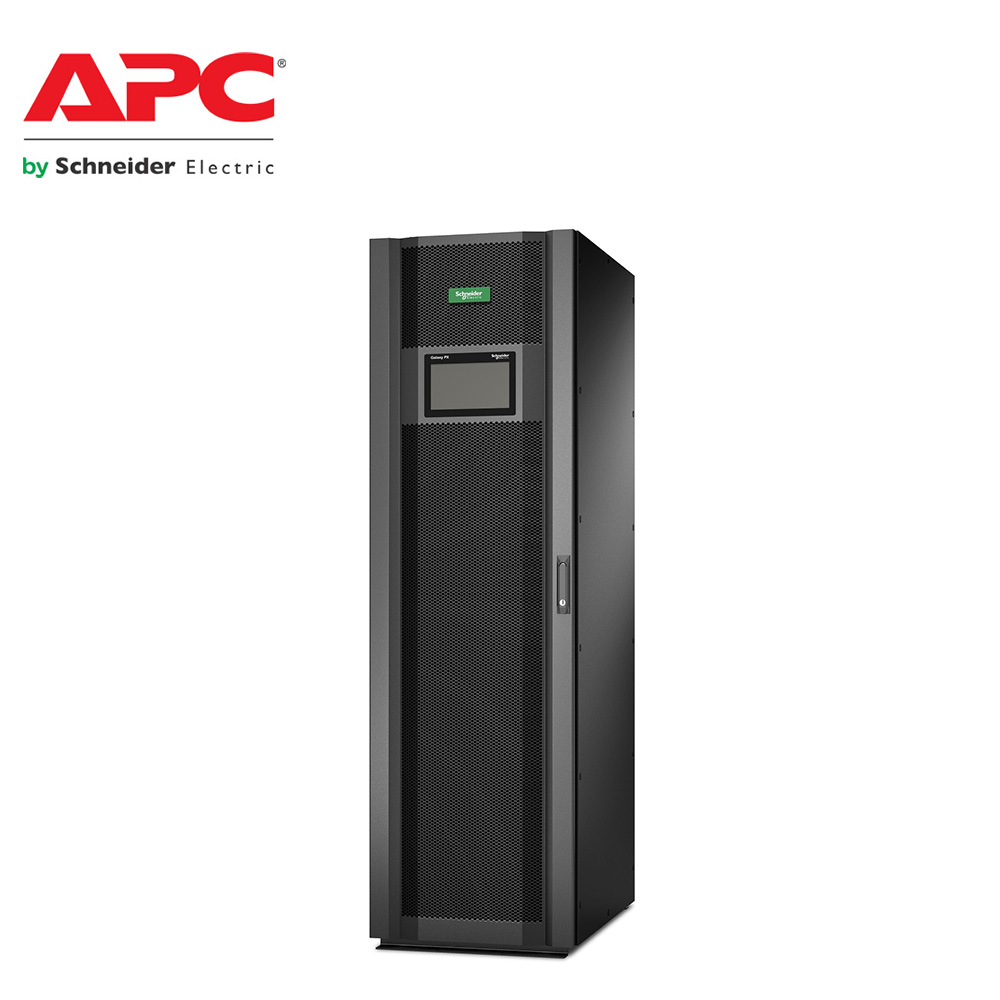
Modular UPS systems are the right choice because they allow you to increase backup capacity in 50 kVA increments by simply adding the required number of units. Some modern UPS models for data centers are designed to operate individual units in hot mode without disconnecting the load and impacting the performance of critical IT systems.
To establish a safe, fault-tolerant uninterruptible power supply (UPS) system, module redundancy schemes of N+1, 2N, or a combination thereof are used. For such a system to function properly, its modules must operate correctly without direct wired communication with each other. A similar principle is implemented in HotSync technology, for example.