-
- APC Back UPS
- APC EASY UPS
- APC Modular UPS
- APC Smart SMC UPS
- APC Smart SMT UPS
- APC Smart SURT UPS
- APC SPM UPS
- APC Symmetra Power Module
- APC SYMMETRA LX
- APC Symmetra PX
- Eaton 5P UPS
- Eaton 5PX G2 UPS
- Eaton 93PR UPS
- Eaton 9PX Li-Ion UPS
- Eaton 9PX UPS
- Eaton 9SX Tower UPS
- Eaton DX RT UPS
- Eaton DX UPS
- Eaton Ellipse ECO UPS
- Eaton Marine UPS
- Eaton Power Module
- SANTAK UPS
- Schneider Galaxy 3L / EASY 3L UPS
- Schneider Galaxy VS UPS
- Schneider Galaxy VL UPS
- Vertiv UPS


Top 10 Data Center Trends Emerging ( Part 3)

Trend Nine: BitWatt Linkage
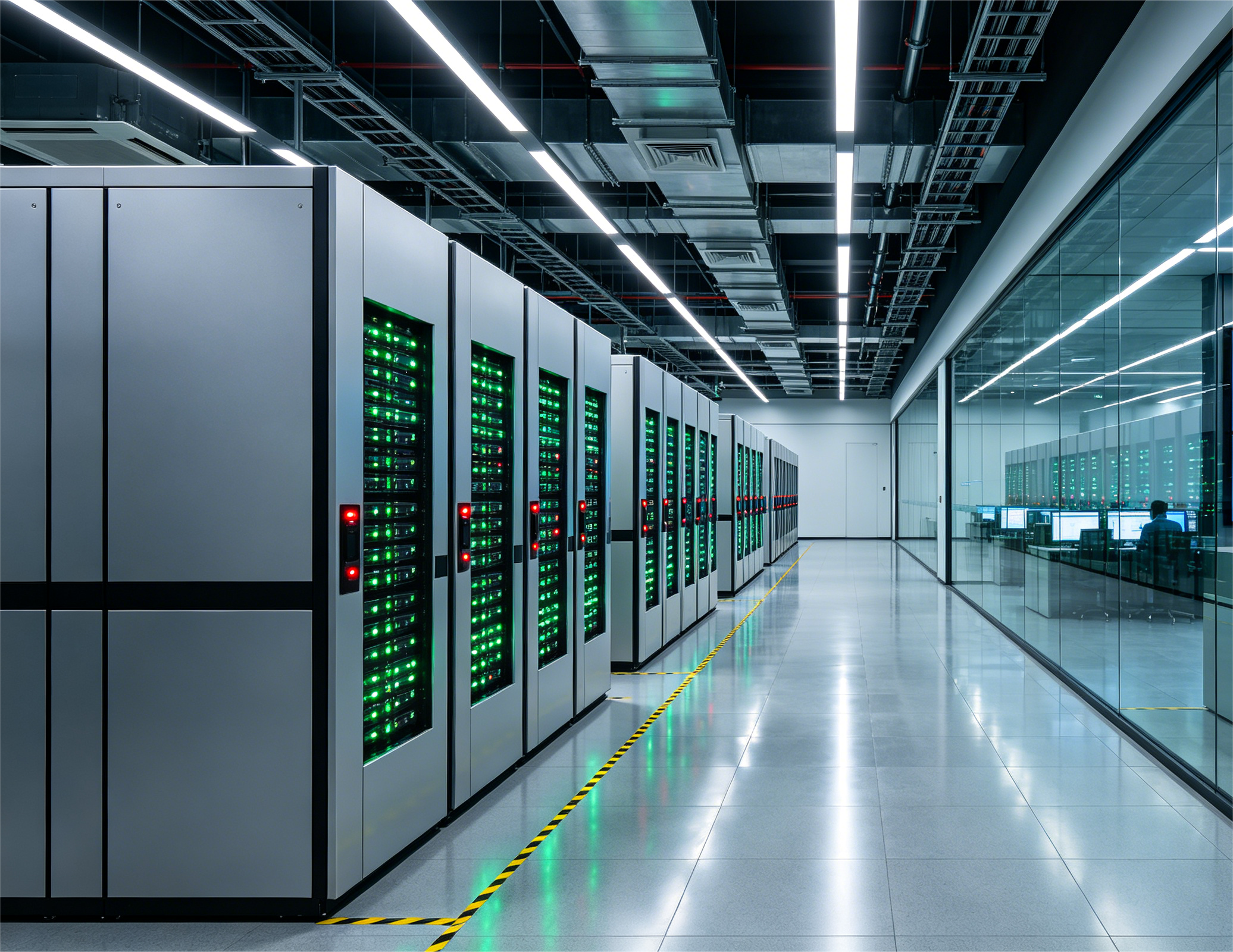
Lowering PUE does not necessarily mean optimizing the overall energy consumption of the data center. Energy consumption needs to be assessed and optimized as a whole, rather than focusing solely on energy infrastructure. Through collaborative innovation across the entire stack of energy, IT, chips, data, and cloud, the interaction between bits and watts can be achieved, resulting in dynamic energy saving and optimal energy efficiency for the entire system.
For example, some data centers in Chengdu use AI for dynamic optimization, leveraging machine learning to predict load fluctuations and adjust cooling and power supply strategies in real time, achieving a PUE below 1.1. Other data centers are innovating energy conservation at the chip level, launching low-power chips to reduce energy consumption at the source, and combining this with data center energy management systems to achieve synergistic optimization of bit watts.
Trend 10: Security and trustworthiness are receiving increasing attention
As data center infrastructure becomes increasingly intelligent, the cybersecurity threats it faces also multiply. Data centers must possess six characteristics: resilience, security, privacy, safety, reliability, and availability, to avoid threats from environmental factors and malicious attacks, including network intrusion threats.
Some data centers in Chengdu have adopted a zero-trust architecture, using the SASE (Secure Access Service Edge) framework to ensure seamless protection between edge nodes and the core data center; other enterprises use encryption technology to protect sensitive data, completing analysis without exposing the original data, meeting regulatory requirements, and ensuring data security.
Conclusion
The construction of data center facilities in the future is full of opportunities and challenges. These trends will drive the data center industry toward greater efficiency, greener practices, greater intelligence, and greater security.