-
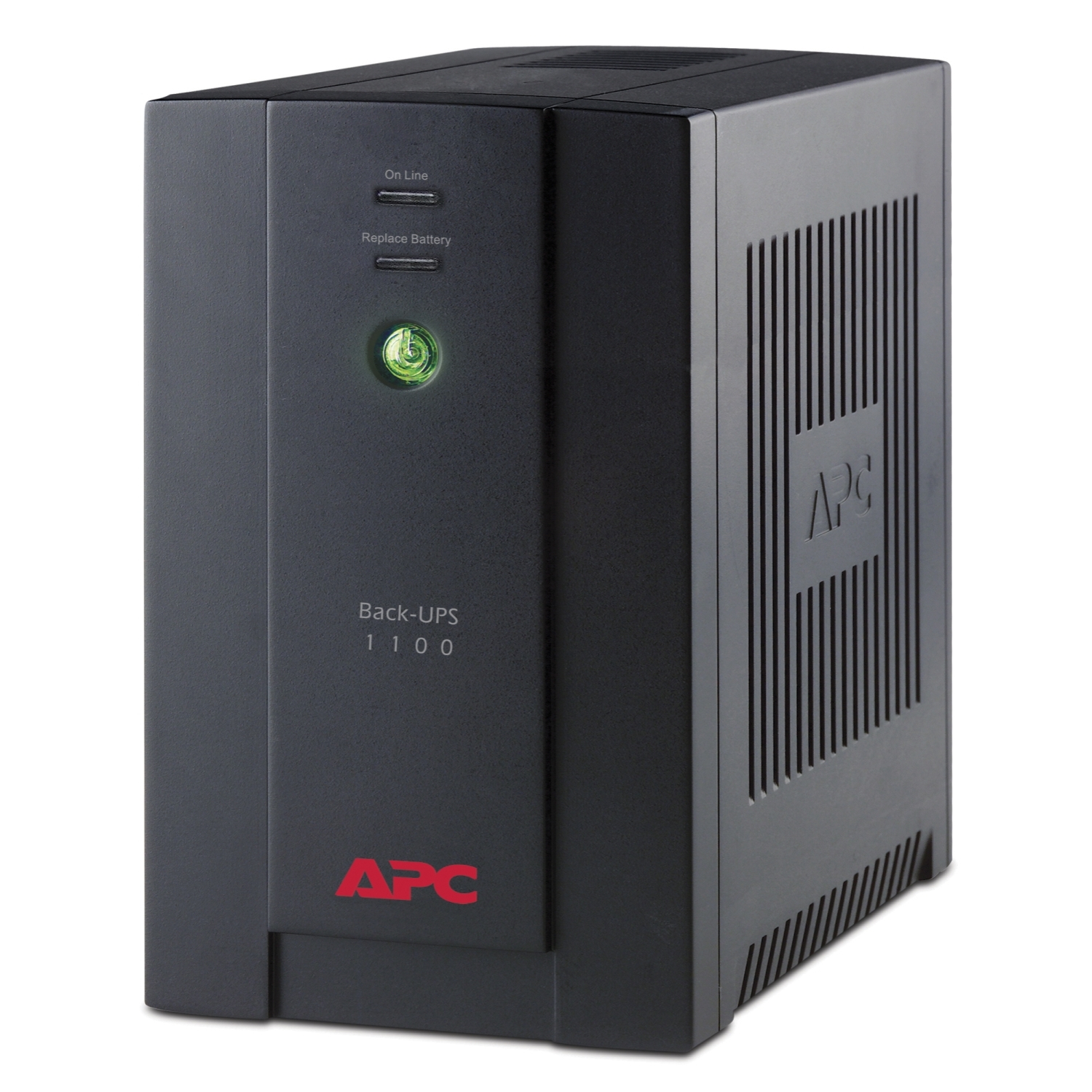
- APC Back UPS
- APC EASY UPS
- APC Modular UPS
- APC Smart SMC UPS
- APC Smart SMT UPS
- APC Smart SURT UPS
- APC SPM UPS
- APC Symmetra Power Module
- APC SYMMETRA LX
- APC Symmetra PX
- Eaton 5P UPS
- Eaton 5PX G2 UPS
- Eaton 93PR UPS
- Eaton 9PX Li-Ion UPS
- Eaton 9PX UPS
- Eaton 9SX Tower UPS
- Eaton DX RT UPS
- Eaton DX UPS
- Eaton Ellipse ECO UPS
- Eaton Marine UPS
- Eaton Power Module
- SANTAK UPS
- Schneider Galaxy 3L / EASY 3L UPS
- Schneider Galaxy VS UPS
- Schneider Galaxy VL UPS
- Vertiv UPS


Difference between UPS and EPS

Due to the different loads carried by EPS, such as lighting and water pumps, the power demand is very high. When using water pumps, the inverter can be made into a frequency converter; Since the primary target of backup UPS is IT equipment such as PCs, its capacity rarely exceeds 3KVA.
Generally, IT equipment above 3KVA uses online UPS, and EPS cannot be used in IT equipment situations. Similarities with UPS: EPS is a 100% backup UPS, and its operating principle is the same as backup UPS.
Power frequency machine UPS: The disadvantages are low input power factor, high power consumption, low power, large size, bulky, high grid size, and low feasibility; The benefits are relatively simple to manufacture, especially when using manual labor, which has little impact and requires relatively low consistency. High frequency UPS: The benefits are high input power factor, low power consumption, high power, small size, simplicity, and high reliability; But there are high requirements for production methods and strict consistency.