-
- APC Back UPS
- APC EASY UPS
- APC Modular UPS
- APC Smart SMC UPS
- APC Smart SMT UPS
- APC Smart SURT UPS
- APC SPM UPS
- APC Symmetra Power Module
- APC SYMMETRA LX
- APC Symmetra PX
- Eaton 5P UPS
- Eaton 5PX G2 UPS
- Eaton 93PR UPS
- Eaton 9PX Li-Ion UPS
- Eaton 9PX UPS
- Eaton 9SX Tower UPS
- Eaton DX RT UPS
- Eaton DX UPS
- Eaton Ellipse ECO UPS
- Eaton Marine UPS
- Eaton Power Module
- SANTAK UPS
- Schneider Galaxy 3L / EASY 3L UPS
- Schneider Galaxy VS UPS
- Schneider Galaxy VL UPS
- Vertiv UPS


Five key indicators and three models! A comprehensive guide to green data center evaluation standards ( Part 1)

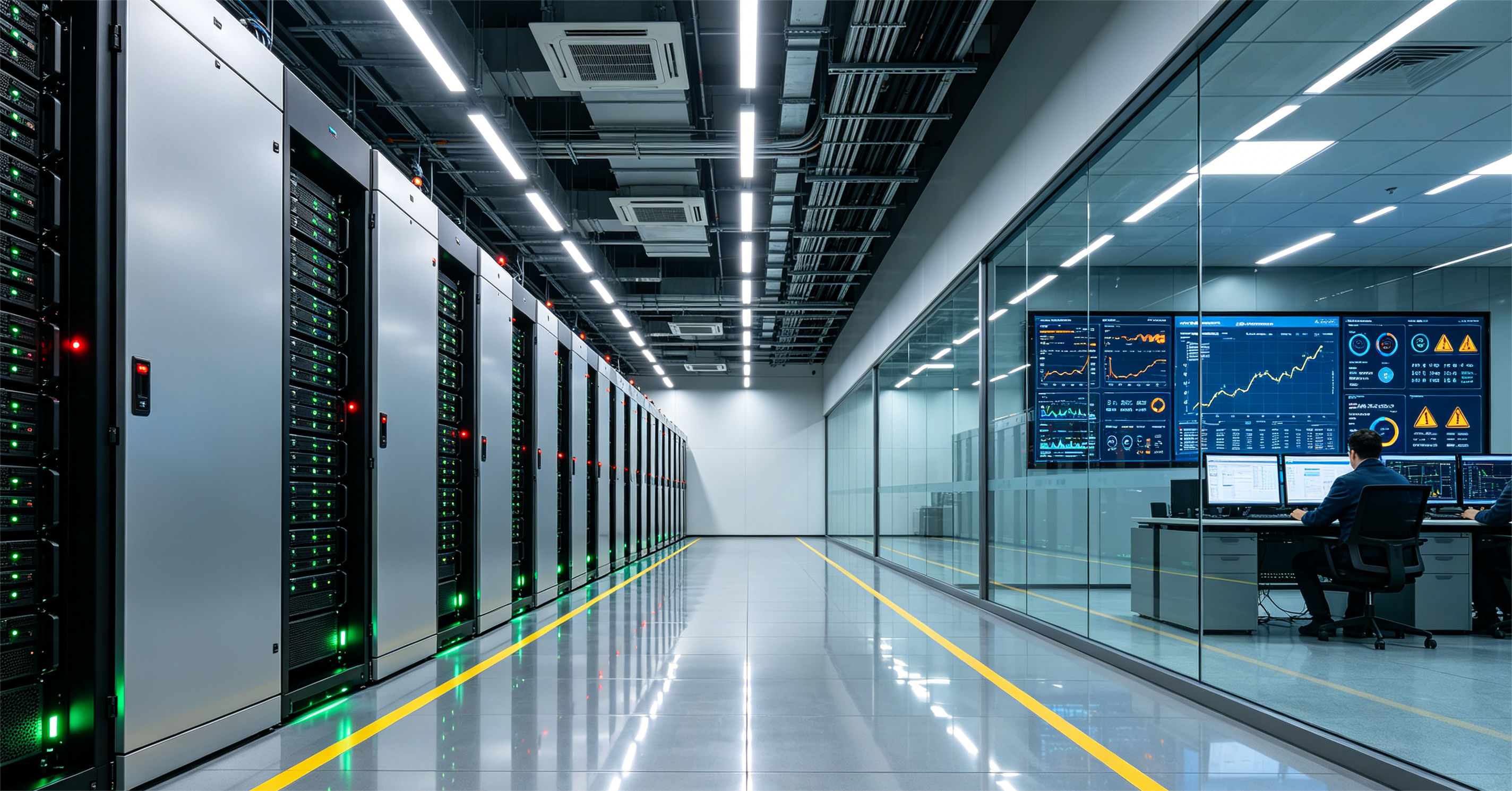
With the ever-increasing demand for AI computing power, data center energy consumption has become one of the global challenges. In China, green data centers have also become a focus of the industry this year, as they are not only related to energy consumption but also to environmental protection.
Today, we’ll take you through the definition of green data centers and related evaluation standards.
I. What is a green data center?
A data center, abbreviated as IDC (Internet Data Center), refers to a network-based facility that provides operation and maintenance for equipment that centrally collects, stores, processes, and transmits data, while also providing related services.
Green data centers prioritize personnel safety and the stable and reliable operation of information systems and equipment throughout their entire lifecycle—from design and construction to operation and decommissioning—while maximizing energy and resource conservation and minimizing negative environmental impacts.
Why do we need it?
Traditional data centers are energy-intensive and may exacerbate climate change; while green data centers, through the use of renewable energy and optimized cooling systems, can save operating costs and protect the environment. In summary, green data centers are a crucial part of sustainable development in the digital age, balancing the needs of technological progress with environmental protection.
II. Evaluation Objects and Levels of Green Data Centers
1. Evaluation Objects of Green Data Centers
This refers to data centers that have been operating continuously and stably for at least one year. These data centers must have clearly defined and complete physical boundaries and their own power supply and cooling systems to ensure independent operation.
They cover a wide range of business areas and scales, including manufacturing, telecommunications, the internet, public institutions, energy, finance, e-commerce, supercomputing, and intelligent computing.
For example, a data center of a large cloud service provider or a server room of a small business can participate in the evaluation, as long as these conditions are met. This helps to comprehensively assess environmental performance in different scenarios.
2. Green Data Center Evaluation Level Classification
The evaluation is divided into three levels: Level 1, Level 2, and Level 3, based on the total evaluation score.
Level 1: A score of 85 or above is considered Level 1, representing an excellent level.
Level 2: Scores between 75 and 85 are classified as Level 2, indicating a good score.
Level 3: Scores between 60 and 75 are considered Level 3, which is considered passing.
This tiered approach allows data centers to clearly understand their own performance and incentivizes them to continuously improve.
For example, a Tier 1 data center may excel in energy conservation and emission reduction, while a Tier 3 data center may have room for improvement. Evaluation criteria are not static; data centers can improve their ratings through optimization measures, thereby driving the entire industry towards a more environmentally friendly direction.