-
- APC Back UPS
- APC EASY UPS
- APC Modular UPS
- APC Smart SMC UPS
- APC Smart SMT UPS
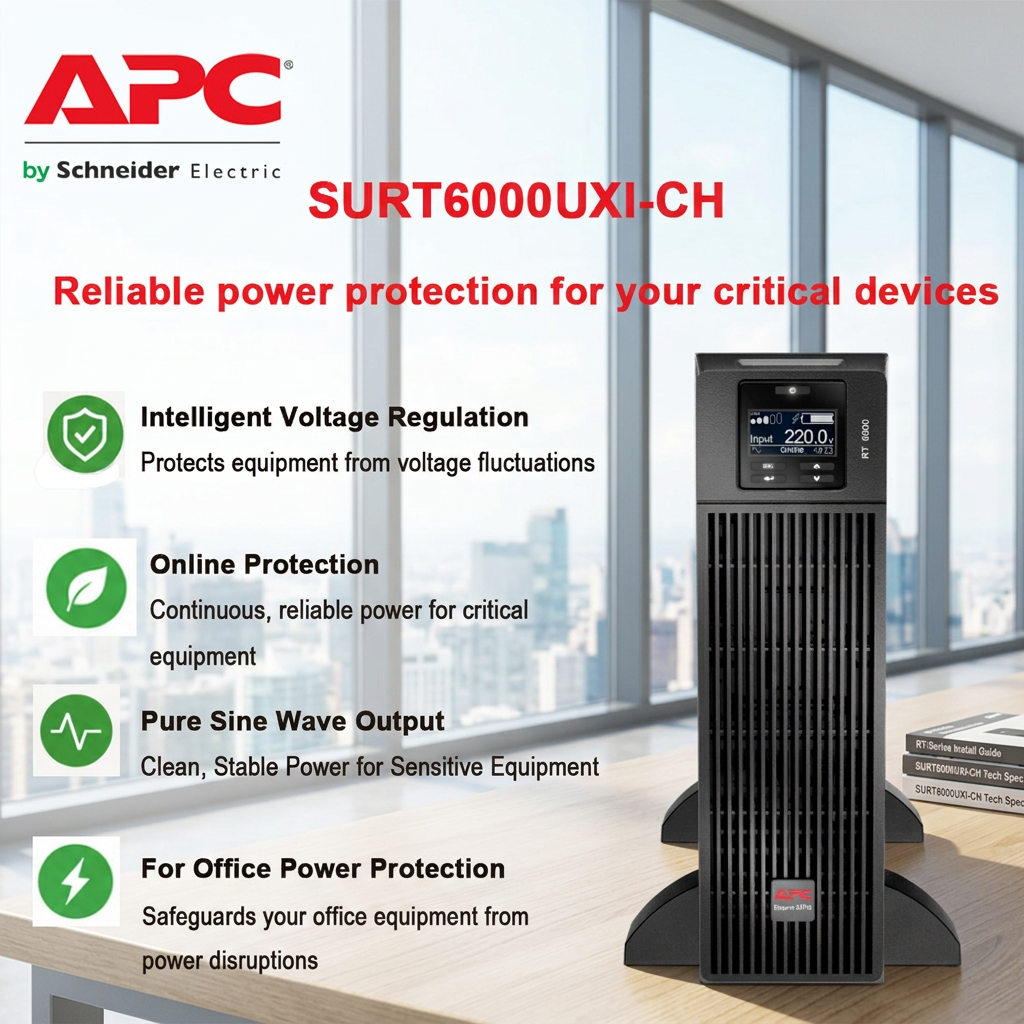
- APC Smart SURT UPS
- APC SPM UPS
- APC Symmetra Power Module
- APC SYMMETRA LX
- APC Symmetra PX
- Eaton 5P UPS
- Eaton 5PX G2 UPS
- Eaton 93PR UPS
- Eaton 9PX Li-Ion UPS
- Eaton 9PX UPS
- Eaton 9SX Tower UPS
- Eaton DX RT UPS
- Eaton DX UPS
- Eaton Ellipse ECO UPS
- Eaton Marine UPS
- Eaton Power Module
- SANTAK UPS
- Schneider Galaxy 3L / EASY 3L UPS
- Schneider Galaxy VS UPS
- Schneider Galaxy VL UPS
- Vertiv UPS



The UPS battery hadn’t been replaced for three years, and it finally exploded today(Part 1)

Many people’s home and office UPS power supplies are in a “plug and play, then leave unattended” state. Silently standing by, never breaking down, they make people gradually forget that they also have a lifespan. My UPS hadn’t had its batteries replaced for three whole years, and today, it gave me a costly lesson in equipment maintenance with an unexpected explosion.
The incident happened without warning. During a normal afternoon work session, a dull thud suddenly echoed through the room, accompanied by a pungent, burning smell that instantly filled the entire space. I immediately checked the electrical equipment and eventually located the UPS (Uninterruptible Power Supply) in a corner that I had previously overlooked .
Upon closer inspection, the scene was horrifying. Faint white smoke was emanating from the gaps in the UPS unit, and the casing was slightly hot. After removing the cover, it was discovered that the internal battery was bulging and deformed, the battery casing was cracked, and the internal electrolyte had leaked out, adhering to the circuit board, with clearly visible blackened and charred marks. Fortunately, no one touched the equipment at the time, and it did not cause a short circuit or fire; it only caused a momentary power outage, preventing a larger safety accident. Even now, thinking back on it still evokes a chill.
This UPS has been diligently working for the past three years, ensuring the stable operation of my office computers, routers, and surveillance equipment. Whenever there’s a power outage or voltage fluctuation, it promptly restores power and stabilizes the voltage, saving unsaved files and preventing damage to the equipment from current surges. Because it’s so reliable, I’ve never even considered replacing the battery in three years, and I’d long forgotten that batteries are consumables with a limited lifespan, not lifelong devices. I only felt grateful for its backup when the equipment lost power, never checking for battery wear, bulging, or aging.
Actually, this UPS had already issued a “warning signal” half a month ago, but I completely ignored it. The device, which could normally run for more than ten minutes after a power outage, could only last for two or three minutes at that time; during the power-on self-test, the indicator light on the device would occasionally flash abnormally and emit a faint buzzing sound. At the time, I thought it was just a minor fault and that it didn’t affect normal use, so I didn’t need to pay attention to it. Little did I know that this was a typical sign of severe battery aging and nearing the end of its life.
After consulting relevant materials, I learned that the standard lifespan of ordinary UPS lead-acid batteries is mostly 2-3 years. Prolonged standby power supply, high indoor temperatures, and frequent power outages and voltage stabilization will accelerate battery aging, sulfation, and bulging. If the battery is not replaced for more than three years, the active materials inside will completely fail, resulting in zero battery life and potential internal short circuits, sudden pressure increases, and ultimately bulging, cracking, leakage, or even fire and explosion, posing a significant safety hazard.