-
- APC Back UPS
- APC EASY UPS
- APC Modular UPS
- APC Smart SMC UPS
- APC Smart SMT UPS
- APC Smart SURT UPS
- APC SPM UPS
- APC Symmetra Power Module
- APC SYMMETRA LX
- APC Symmetra PX
- Eaton 5P UPS
- Eaton 5PX G2 UPS
- Eaton 93PR UPS
- Eaton 9PX Li-Ion UPS
- Eaton 9PX UPS
- Eaton 9SX Tower UPS
- Eaton DX RT UPS
- Eaton DX UPS
- Eaton Ellipse ECO UPS
- Eaton Marine UPS
- Eaton Power Module
- SANTAK UPS
- Schneider Galaxy 3L / EASY 3L UPS
- Schneider Galaxy VS UPS
- Schneider Galaxy VL UPS
- Vertiv UPS


A Comprehensive Guide to UPS Uninterruptible Power Supply ( Part 8)

2.4 Intelligent Operation and Maintenance and System Fault Tolerance Functions
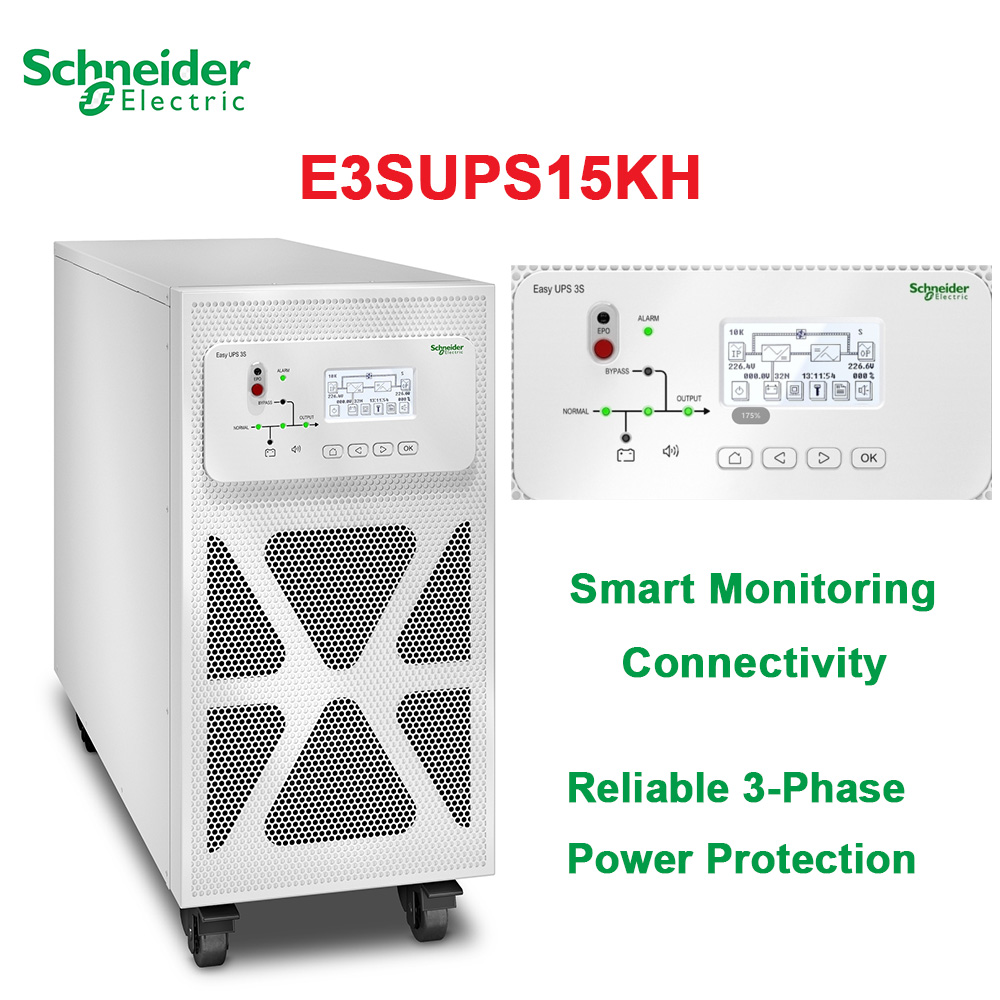
Modern, high-end UPS uninterruptible power supplies are equipped with intelligent digital control systems, supporting intelligent functions such as local LCD display, remote network monitoring, mobile APP maintenance, data cloud upload, intelligent fault alarm, operational data statistical analysis, and real-time equipment status monitoring. Maintenance personnel can view real-time data on equipment voltage, current, load rate, battery level, operating mode, fault codes, and other comprehensive data, enabling them to grasp the equipment’s operating status without on-site inspections, significantly reducing maintenance difficulty and labor costs.
Meanwhile, high-power modular UPS equipment supports parallel redundancy, hot-swappable modules, and automatic isolation of faulty modules. When a single power module fails, the system automatically shields the faulty module, and the remaining modules share the load power without affecting the overall system operation. It has strong system fault tolerance and stability, and is suitable for core scenarios of 24/7 uninterrupted operation, completely solving the pain point of single point failure in traditional power supply equipment.
2.5 Scene Adaptation and Cost Saving Value
From a long-term operational perspective, investing in UPS (Uninterruptible Power Supply) offers extremely high cost-effectiveness and savings. The procurement, maintenance, data recovery, and production downtime costs of various precision electronic devices and core business systems are extremely high. The economic losses caused by a sudden power outage often far exceed the procurement and maintenance costs of UPS equipment.
UPS power supplies continuously optimize power quality, mitigate power failure risks, protect equipment safety, and ensure uninterrupted business operations. They effectively reduce equipment failure rates, extend equipment lifespan, and prevent data loss and production downtime. In the long run, they can save businesses and organizations significant costs associated with equipment replacement, maintenance, and failure losses. Furthermore, UPS devices are diverse in type, form factor, and power output, precisely adaptable to the power supply needs of various scenarios, including residential, commercial, office, data center, industrial, medical, transportation, and power applications, demonstrating strong scenario adaptability.